

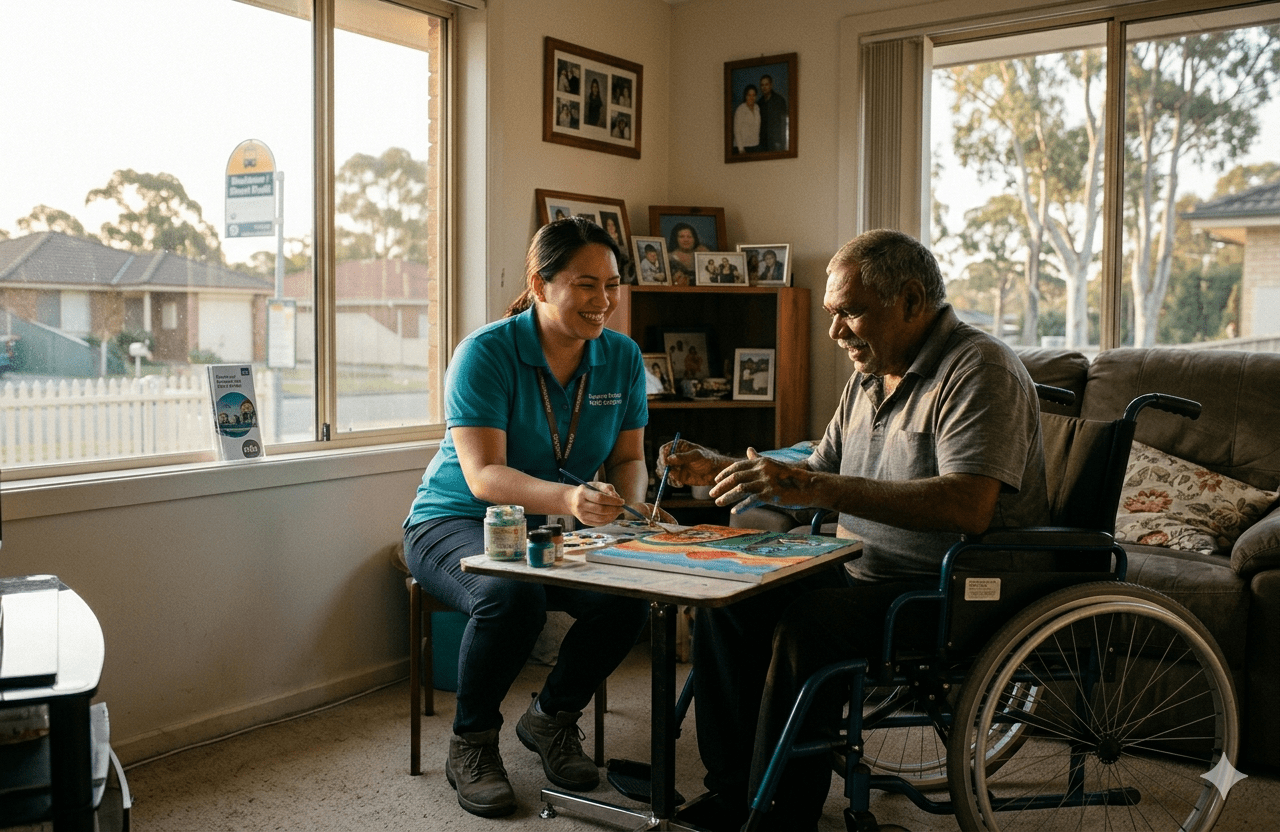
Day in the Life of an NDIS Support Worker in Western Sydney
Working as an NDIS support worker is more than just a job, it’s a meaningful role that directly impacts the lives of people living with disabilities. In Western Sydney, where communities are diverse and constantly growing, support workers play a crucial role in helping participants lead independent, fulfilling lives under the National Disability Insurance Scheme (NDIS).
This article takes you through a typical day in the life of an NDIS support worker, highlighting responsibilities, challenges, and the deeply rewarding experiences that come with the role.
🌅 Early Morning: Planning and Preparation
The day often begins early for an NDIS support worker. Before heading out, they review their schedule, which may include visits to multiple participants across different suburbs like Parramatta, Blacktown, or Penrith.
Each participant has a personalized care plan, so preparation is key. A support worker may check:
- Daily goals for each participant
- Medical or mobility requirements
- Notes from previous sessions
- Any special instructions from family members or coordinators
Time management becomes essential, especially in a large region like Western Sydney where travel between appointments can take time.
🚗 Morning Visits: Assisting with Daily Living
The first visit of the day typically involves helping a participant with morning routines. This could include:
- Assisting with personal hygiene (bathing, dressing, grooming)
- Preparing breakfast
- Administering medication (if trained and authorized)
- Helping with mobility or transfers
For many participants, these tasks are essential to maintaining independence and dignity. A good support worker doesn’t just complete tasks—they empower participants to do as much as they can themselves.
For example, instead of doing everything for the participant, the worker might guide them through brushing their teeth or preparing a simple meal. This approach builds confidence and long-term independence.
🧑🤝🧑 Mid-Morning: Community Participation
One of the most fulfilling parts of the job is supporting participants in community engagement. Western Sydney offers a wide range of opportunities—from parks and shopping centers to community programs and therapy sessions.
Activities may include:
- Accompanying participants to medical appointments
- Supporting them during therapy sessions
- Helping them attend social or recreational activities
- Assisting with grocery shopping or errands
These outings are not just about completing tasks—they are about building social connections, reducing isolation, and improving quality of life.
For many participants, this is the highlight of their day.
☕ Midday Break: Documentation and Coordination
Between visits, support workers often take short breaks. However, this time is rarely idle.
They may use this time to:
- Update progress notes
- Record completed tasks
- Communicate with support coordinators or families
- Plan for upcoming visits
Accurate documentation is critical in the NDIS framework, as it ensures transparency and continuity of care.
🍽️ Afternoon: Skill Development and Personal Goals
Afternoon sessions often focus on helping participants achieve personal goals outlined in their NDIS plans. These goals vary widely depending on individual needs.
Some examples include:
- Teaching basic cooking skills
- Supporting job readiness or vocational training
- Improving communication or social skills
- Encouraging physical activity or exercise
In Western Sydney’s multicultural environment, support workers may also need cultural sensitivity and adaptability to meet diverse participant needs.
For instance, a participant may prefer meals aligned with their cultural background, or communication styles may differ based on family dynamics.
🏡 Late Afternoon: Home Support and Companionship
Later in the day, support may shift back to home-based assistance. This could include:
- Light household tasks (cleaning, laundry)
- Meal preparation for dinner
- Providing companionship and emotional support
For participants living alone, the support worker may be one of the few people they interact with regularly. This makes emotional intelligence and empathy just as important as practical skills.
Simple conversations, shared activities, or even a walk outside can make a significant difference in a participant’s mental well-being.
🌇 Evening Wrap-Up: Final Visits and Reporting
Some support workers continue into the evening, especially for participants who require overnight or extended care.
At the end of the day, responsibilities include:
- Ensuring participants are safe and comfortable
- Completing final documentation
- Reporting any concerns or incidents
- Preparing notes for the next day
Consistency and communication are key. Each note helps ensure the next support worker (or future visits) maintain continuity in care.
📌 Final Thoughts
A day in the life of an NDIS support worker in Western Sydney is dynamic, challenging, and incredibly rewarding. From assisting with daily routines to empowering individuals to achieve their goals, every task contributes to improving someone’s quality of life.
It’s a role that demands dedication, compassion, and resilience—but in return, it offers a profound sense of purpose.
If you’re considering a career in disability support or looking to understand the work behind NDIS services, this role is truly at the heart of making inclusive communities stronger.